


JK News Today
Jammu and Kashmir recorded below-normal precipitation during May 2026, with the Union Territory receiving 49.4 mm rainfall against a normal of 77.5 mm, resulting in a 36% deficit. The latest figures have pushed the cumulative January-May precipitation deficit to 42%, reflecting the persistence of below-normal precipitation across the region during the first five months of the year.

The monthly precipitation departures during 2026 stood at -23% in January, -89% in February, -34% in March, -13% in April, and -36% in May, resulting in an overall 42% deficit for the January-May period.
The data also extends a longer trend of deficient precipitation. Since November 2025, every month has recorded below-normal rainfall and snowfall across Jammu and Kashmir.
𝘿𝙞𝙨𝙩𝙧𝙞𝙘𝙩-𝙬𝙞𝙨𝙚 𝙍𝙖𝙞𝙣𝙛𝙖𝙡𝙡 𝙋𝙚𝙧𝙛𝙤𝙧𝙢𝙖𝙣𝙘𝙚 𝘿𝙪𝙧𝙞𝙣𝙜 𝙈𝙖𝙮
Among Kashmir division districts, Shopian recorded the highest deficit at -83%, receiving 13.5 mm rainfall against a normal of 78.2 mm. Budgam and Kulgam both recorded deficits of -69%, while Anantnag (-56%), Pulwama (-42%), Srinagar (-43%), Bandipora (-39%), and Baramulla (-14%) also remained below normal.
Ganderbal recorded near-normal precipitation with a 1% surplus, receiving 92.1 mm against a normal of 91.3 mm, while Kupwara received 103.5 mm against a normal of 103.1 mm, ending the month close to normal.
In Jammu division, Ramban (-65%), Kishtwar (-57%), Kathua (-56%), Jammu (-55%), and Reasi (-53%) recorded significant deficits. Rajouri (-20%), Doda (-17%), Samba (-33%), and Udhampur (-33%) also remained below normal.
Poonch was the only district to record a substantial surplus, receiving 122.8 mm rainfall against a normal of 82.3 mm, resulting in a 49% excess.
Overall, Jammu and Kashmir recorded a 36% rainfall deficit during May.
In Ladakh, Kargil received 3.9 mm rainfall against a normal of 6.3 mm, recording a 38% deficit, while Leh recorded a 40% surplus with 2.1 mm against a normal of 1.5 mm. Overall, Ladakh ended May with a 7% precipitation deficit.
𝙄𝙢𝙥𝙡𝙞𝙘𝙖𝙩𝙞𝙤𝙣𝙨 𝙤𝙛 𝙩𝙝𝙚 𝙂𝙧𝙤𝙬𝙞𝙣𝙜 𝙋𝙧𝙚𝙘𝙞𝙥𝙞𝙩𝙖𝙩𝙞𝙤𝙣 𝘿𝙚𝙛𝙞𝙘𝙞𝙩
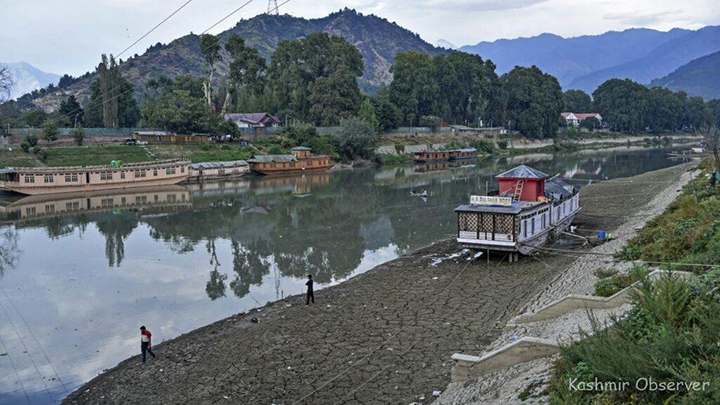
The continued precipitation deficit is becoming increasingly significant as Jammu and Kashmir moves further into the warm season. The Union Territory has now recorded a 42% precipitation deficit during January-May 2026, while every month since November 2025 has ended with below-normal precipitation.
The concern is not limited to a single season. The last several winters have generally witnessed below-normal precipitation across Jammu and Kashmir, contributing to reduced snow accumulation in the higher reaches. Lower snowfall during winter directly affects glacier nourishment and seasonal snow reserves, which act as natural water storage systems for rivers and streams during the warmer months.
At the same time, rising temperatures are accelerating snow and glacier melt in many mountain regions. While enhanced melting may temporarily sustain river flows, continued warming combined with reduced snowfall can gradually diminish glacier mass over time, affecting the long-term water security of the region.
A prolonged precipitation deficit also increases vulnerability during periods of dry weather. Kashmir has historically experienced extended dry spells during summer and autumn, and such episodes are not uncommon. If similar dry conditions develop later this year, river and stream flows could decline sharply due to reduced snow reserves and limited rainfall replenishment.
Such a scenario could have implications for hydropower generation, irrigation networks, agriculture, horticulture, drinking water availability, and groundwater recharge in several parts of Jammu and Kashmir. Water-intensive sectors are particularly sensitive to prolonged deficits and reduced streamflow.
The emerging trend highlights the need for greater preparedness, including improved water-resource management, conservation measures, and long-term planning to address the impacts of changing precipitation patterns.
Public awareness regarding environmental protection and sustainable use of water resources is equally important, while authorities may need to strengthen monitoring and preparedness measures well in advance of any future water-stress situation.
