


Seemi Bedyal
JK News Today Comment
The whole truth of the July 20th Jantar Mantar episode must come out to sift fact from fiction. Put another way, is the other side of the story as clear as the pictures—given scripture-like sanctity—which paint the Delhi Police and other security forces in a negative light? Each and every demonstration in this country has a definite context, while others are organized simply to grab headlines. More importantly, if a protest brings disgrace to its organizers and participants, it represents a severe moral downfall. Violent protests set a bad precedent, causing even those who wish to hold peaceful demonstrations to be viewed with suspicion.

The events of July 20th have done more damage to the protesters and their supposed cause than setting any meaningful example. From a common citizen’s point of view, the outstanding fact of the episode is that the protesters violated the basic parameters of the permission they sought—and were granted—to hold a sit-in at Jantar Mantar. This permission was granted in good faith, upholding the democratic spirit of the system, to allow the demonstrators to voice their points peacefully. It should not escape notice that the Delhi Police granted this permission and made no attempt to interfere with the noisy protesters as they sang, danced, and raised slogans, even when those slogans carried double meanings.
The protesters should have understood the true implication of the “Azadi” slogan. This is a slogan that Pakistan’s ISI used to fuel turbulence in Kashmir during the 1990s. The connotation of this slogan is sinister: “getting rid of occupation.” Pakistan’s ISI coined it to achieve its ulterior motives in Jammu and Kashmir. This history was openly stated by Kashmir’s first militant outfit, the Jammu Kashmir Liberation Front (JKLF); because the people in the Valley had lost interest in the slogan “Kashmir bane ga Pakistan” (Kashmir will become Pakistan), they shifted to the “Azadi” slogan. The Jantar Mantar protesters might claim they were seeking freedom from “the system,” forgetting that they were targeting a duly and democratically elected government.
Democracy is the soul of the country. The protesters themselves were beneficiaries of this system—they were granted permission to protest within specific boundaries of space, law, and order. They had the right to protest, but not to take the law into their own hands. A lawful protest has a designated address. When a sit-in at Jantar Mantar arbitrarily mutates into an unauthorized march toward high-security zones, it ceases to be a democratic expression. The permission was for a sit-in at Jantar Mantar, not a siege of Parliament. Breaking designated boundaries isn’t protesting; it is trespassing on public security.
The administration facilitated weeks of peaceful demonstration at Jantar Mantar. Moving past legal perimeters toward Parliament was a deliberate escalation, not an accident. Democracy grants the right to assemble peacefully at specific venues; it does not grant a license to overrun barricades and breach security perimeters. The protesters changed their goalposts and methods, either on their own accord or under the influence of external forces. While this matter will soon be brought to light, their actions clearly revealed an intention to go far beyond what they were permitted to do. It was an assault on the limits prescribed by law enforcement agencies and on their personnel. This was not only a breach of faith but also a deliberate and willful expression of anarchy.
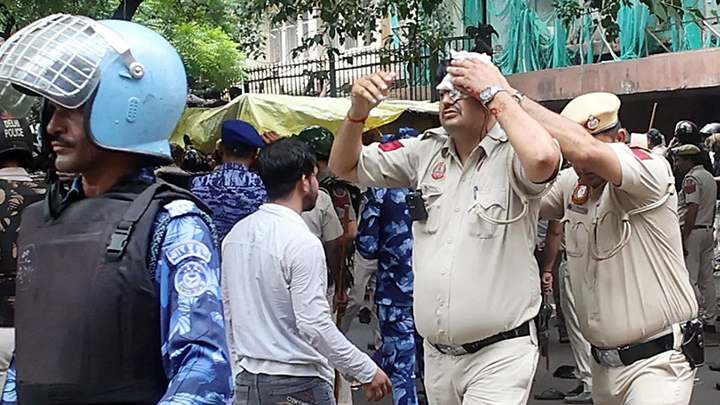
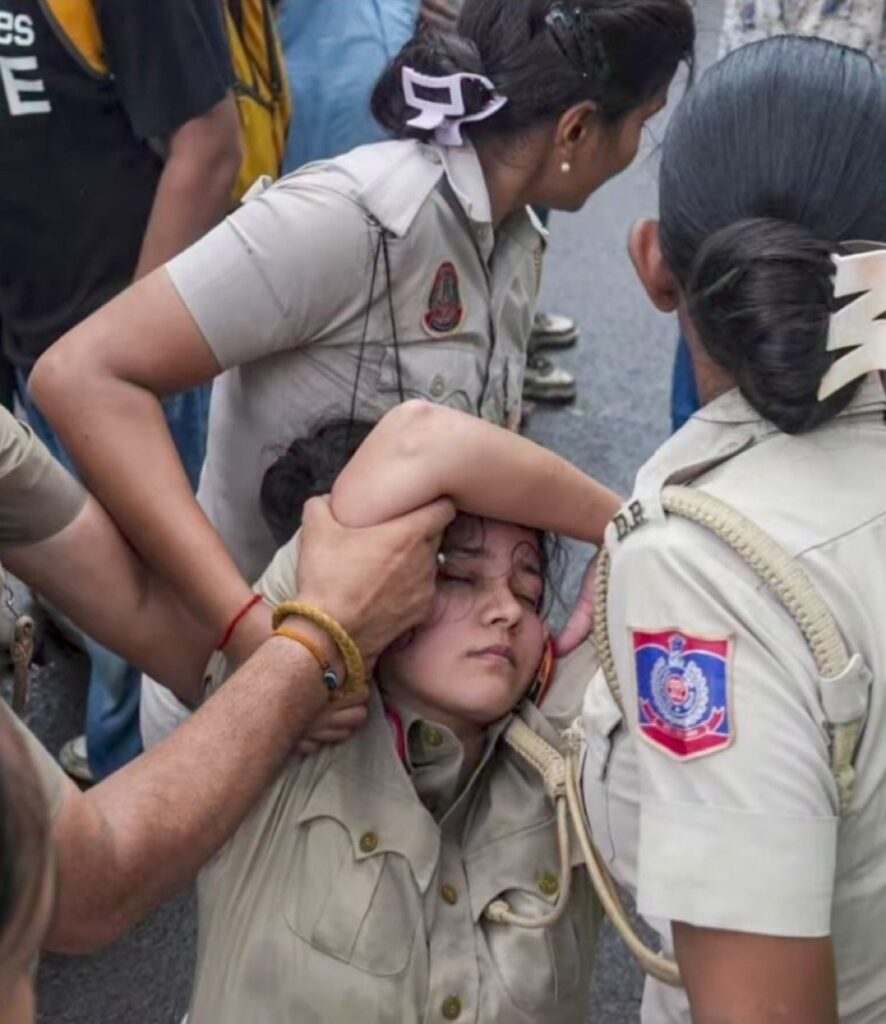
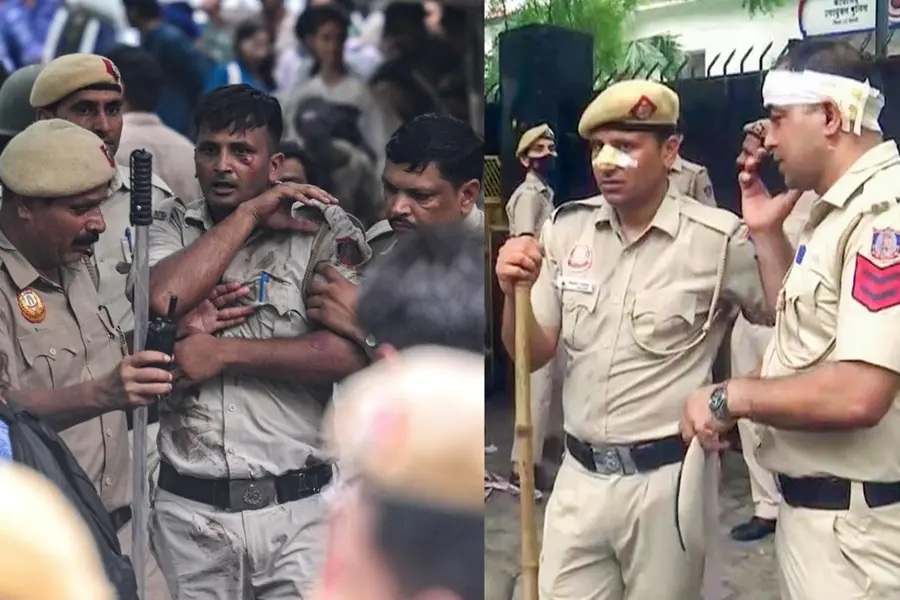
Protests are acceptable, but when participants run over barricades, attempt to lynch policemen, and resort to violence, consequences must follow. We all saw what happened on July 20th. Throwing stones, breaking barricades, and injuring over 100 police personnel is not “activism”—it is a violent assault on public servants performing their duties. This is as clear as it gets. All those lecturing on the democratic right to protest should reflect on the actions of these demonstrators, who created a situation where national security came under threat.
The family is a universal truth, and everyone has one. Police personnel have families who love them dearly. Imagine what must have gone through the minds of their family members when they saw them being assaulted and showered with stones and sticks. If the protesters are children to their parents, the policemen and women are sons and daughters too. Accountability is not a one-way street.
