


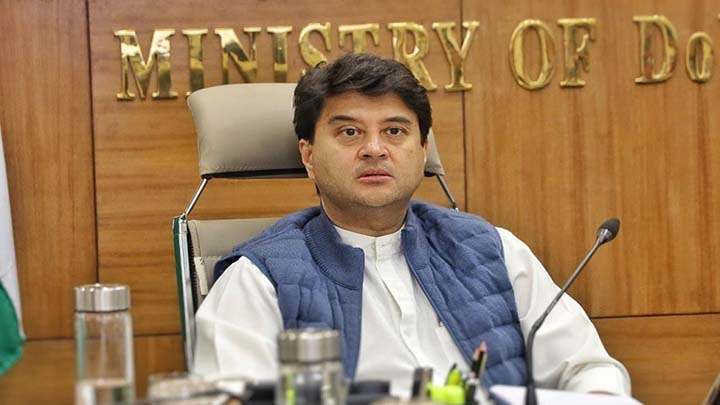
Users May Delete the App Anytime; App Activates Only After Voluntary Registration: Shri Scindia
JK News Today
New Delhi, Dec. 02: Union Minister for Communications and Development of the Northeastern Region, Jyotiraditya Scindia, today clarified the Sanchar Saathi App mandate, emphasising that Sanchar Saathi is completely democratic and fully voluntary. He added that users can activate the app at their convenience to access its benefits, and they may deactivate or delete it from their devices at any time.

A Citizen-First, Privacy-Safe Platform
Shri Scindia highlighted that protecting consumers is the Government’s foremost responsibility, and Sanchar Saathi has been designed to empower every mobile user. “Sanchar Saathi is both an app and a portal that enables citizens to secure themselves through transparent, easy-to-use tools. It is a significant step toward Jan Bhagidari, where citizens actively participate in protecting their own digital ecosystem,” he said.
Impact and Measurable Results of Sanchar Saathi
Since its launch, Sanchar Saathi has delivered strong results:
- 21.5 crore+ portal visits
- 1.4 crore+ app downloads
- 1.43 crore+ mobile connections disconnected by citizens selecting “Not My Number”
- 26 lakh lost/stolen mobile phones traced, with 7.23 lakh successfully returned
- 40.96 lakh fraudulent connections disconnected based on citizen reports
- 6.2 lakh fraud-linked IMEIs blocked
- ₹475 crore in potential financial losses prevented through the Financial Fraud Risk Indicator (FRI)
Cybersecurity and Citizen Protection at the Core
Sanchar Saathi allows users to report suspected fraud directly from call logs, enabling informed citizens to actively protect less-aware users.
Scindia concluded “Digital security for every citizen is our topmost priority. Sanchar Saathi is voluntary, transparent, and designed solely to protect India’s mobile consumers while advancing the nation’s cybersecurity. Users have complete freedom to activate, or delete the app at any time, ensuring safety without compromising privacy.”
