


Hemani Kandhari
Jammu , 23 July : Concerns are being increasingly voiced by patients and attendants over the way medicines are being prescribed and sold near several hospitals and clinics in Jammu. Many patients claim that the existing system places an unnecessary financial and logistical burden on those seeking treatment, particularly people travelling from far-flung areas.

According to patients, a common practice outside many hospitals is that individuals associated with nearby medical shops approach people as they come out of hospitals or clinics and persuade them to purchase medicines from their stores by offering discounts of around 15 percent. Although discounts may appear beneficial, many patients believe this aggressive marketing creates an unfair advantage for a select group of pharmacies and raises questions about healthy competition and ethical business practices. Although discounts can benefit consumers, many patients feel such practices create unnecessary pressure and influence their choice of where to buy medicines.
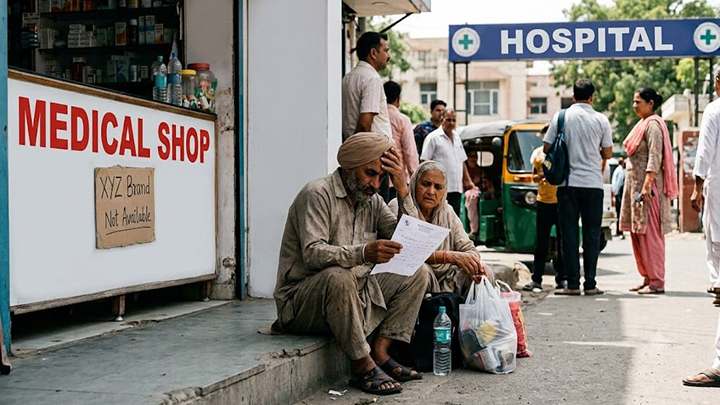
Another concern frequently raised is the prescribing pattern adopted by some doctors. Instead of writing the generic (salt) name of the medicine, prescriptions often mention a specific brand name. Patients allege that these brands or those medicines are most of the time available only at a few medical stores located near the hospital or clinic where the consultation took place. When they visit pharmacies closer to their homes or any other part of the city, they are often informed that the prescribed brand is unavailable and that it can only be purchased near the treating doctor’s clinic or hospital.
This situation causes significant inconvenience, especially for patients from remote and rural areas who already spend considerable amounts on travel, consultation fees, diagnostic tests and other medical expenses. Many of them have to undertake long journeys every month not for a follow-up consultation, but simply to purchase the prescribed medicines because they are unable to find the same brands in their local markets.
Patients say that if prescriptions were written using the generic (salt) names, pharmacists would be able to provide equivalent medicines from different manufacturers that are readily available, reducing both travel costs and inconvenience without compromising treatment.
The issue has also sparked discussion on whether greater transparency and stricter oversight are required in the prescribing and dispensing of medicines. Citizens believe that while pharmacies have every right to compete for business and doctors have the responsibility to prescribe the most appropriate treatment, there should be adequate safeguards to ensure that patients are not unintentionally restricted to purchasing medicines from a limited number of outlets.
Health experts have long advocated the rational use of medicines and wider adoption of generic prescribing wherever medically appropriate, as it promotes affordability, accessibility and patient convenience.
Patients and members of the society have urged the Health Department and the Government to examine these concerns, assess whether such practices are affecting patient welfare, and, if necessary, introduce measures that promote fair competition, transparency and easy access to medicines across all pharmacies. Any such steps, they believe, would provide much-needed relief to thousands of patients who depend on regular medication and travel long distances for healthcare.
