


Hemani Kandhari
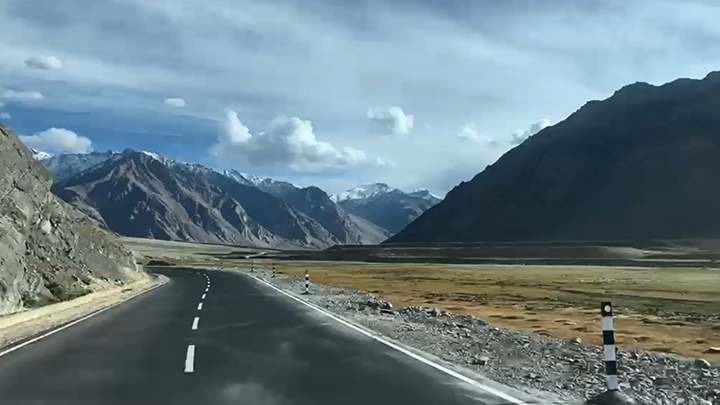
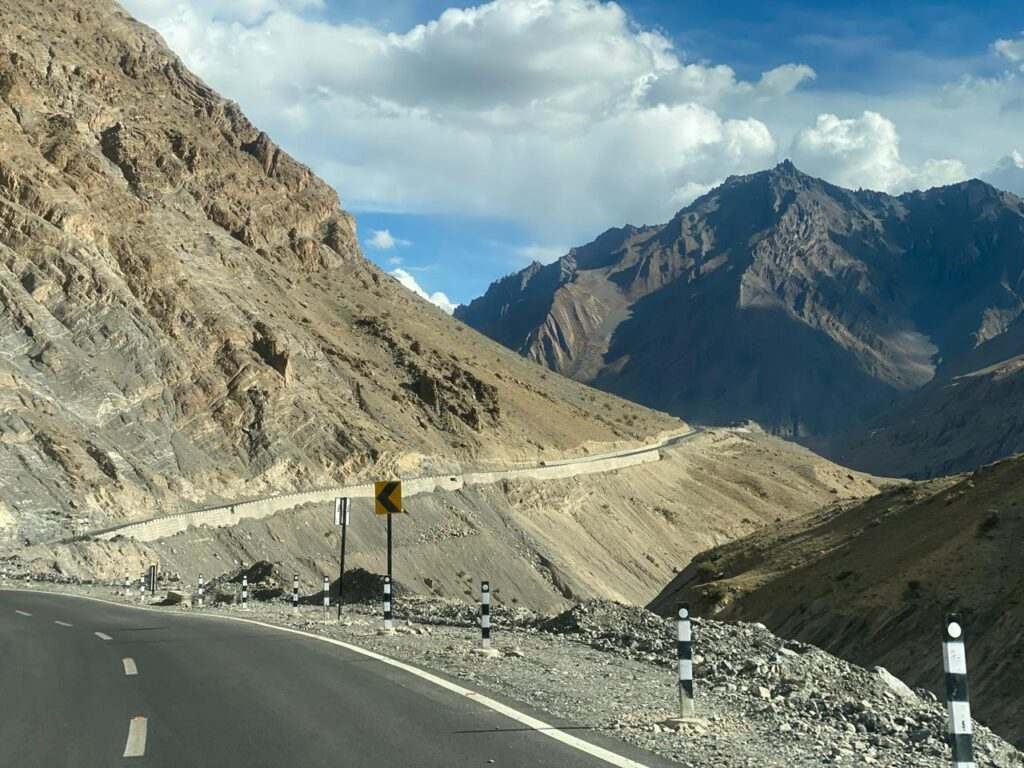
Jammu , 2 October: Ladakh has accomplished a rare strategic goal – the construction of 298 Kilometre Nimoo Padum Darcha road traversing trans- Himalayas. This road is an all time national security asset , economic activity and also representing social and administrative connectivity of the region and people of Zanskar who for centuries suffered isolation despite presiding over one of the most beautiful places in the country.

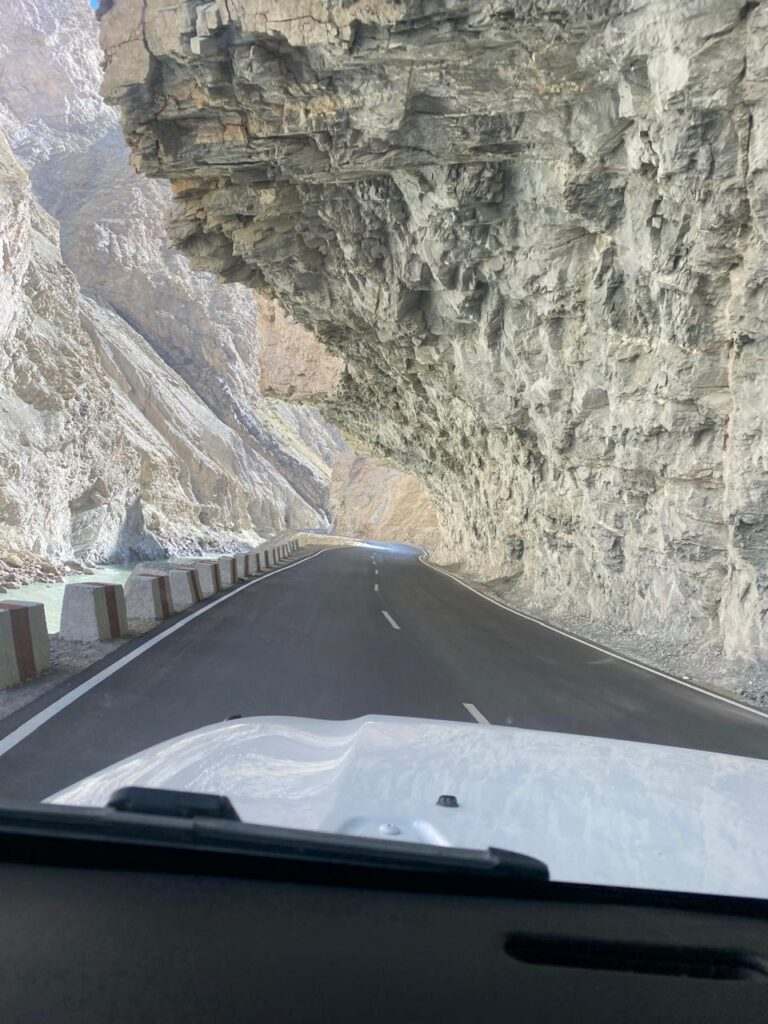
Not only the region suffered isolation for decades , the absence of this road also inflicted strategic wounds – as it was visible during 1999 Kargil war . Had it been there the story of the war would have been written in shorter span of time and space .
It is all due to the efforts of Stanzin Lakpa, Councillor from the region that the reality has changed to embrace progress and prosperity alongside strategic hub that this Himalayan region has become. It’s a story of 20-year- long journey from deep frustration from seclusion to inclusion.
The significance of the road has now been reinforced by another major administrative change. Zanskar is among the five new districts created in Ladakh, with its headquarters located within the region. This brings the administrative machinery substantially closer to residents who earlier had to depend on distant headquarters for several government services.
District-level administration can strengthen the delivery of government schemes, revenue and land services, healthcare, education, policing, disaster response, infrastructure coordination, grievance redressal, tourism administration and development programmes.
Together, the road and district headquarters create two forms of connectivity: the NPD provides physical access, while district administration brings governance closer to the people.
For Zanskar, this opens opportunities beyond strategic mobility, including tourism, local enterprise, agriculture, employment and access to larger markets. At the same time, future development will need to protect the region’s fragile Himalayan ecology and distinctive cultural heritage.
What was once defined by distance is now gaining a new identity as a strategically important and increasingly connected region at the heart of Ladakh.
